Events
Planning a Chinese Wedding Tea Ceremony in Phuket
A family-led guide to the people, objects and practical arrangements behind the tea ceremony.
By Royal Phuket City Hotel Team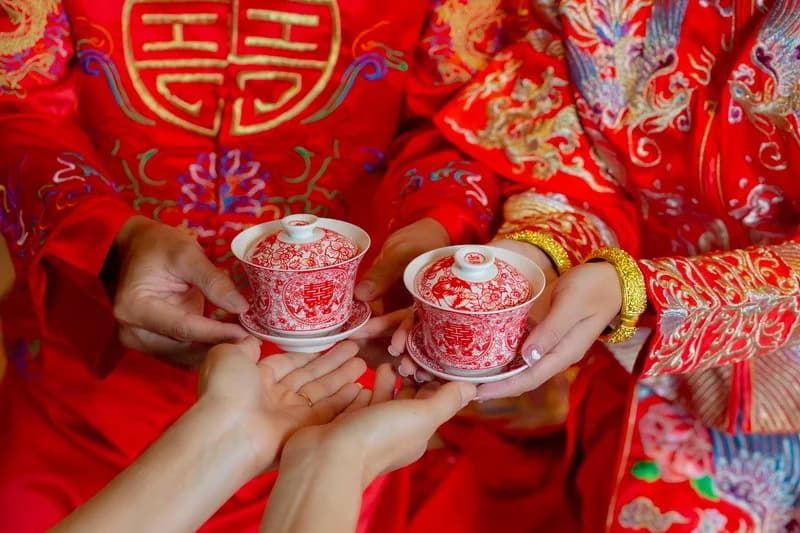
A Chinese wedding tea ceremony in Phuket is best planned around the people taking part: agree the family customs, serving order, seating and tea preferences first, then fit the ceremony into the wedding programme. The ceremony gives the couple an opportunity to honour parents and elders, but its details vary between families. There is no single checklist that should override their wishes.
Royal Phuket City Hotel's Chinese wedding offering includes tea ceremony arrangements and Chinese banquet options. Use that as the starting point for a conversation with the wedding team, then confirm the arrangements for your own celebration in writing.
Ask both families what matters to them
Before choosing decorations, ask the families how they would like the ceremony to work. Some may follow a familiar sequence closely; others may prefer a simpler gathering. Listen for the details that carry meaning, such as who is served together, how relatives are addressed and whether an elder will guide the proceedings.
Write down the agreed choices in plain language. This helps a coordinator understand the family's wishes and gives the couple a reference when several relatives offer different suggestions. If traditions differ, decide together what you will include rather than leaving the disagreement to the ceremony itself.
Choose one family contact from each side who can answer questions. The venue team can organise space and service, while those contacts help check names, relationships and customs. Keeping those roles clear makes the preparation more personal and less confusing.
Build the serving list before the running order
List the people who will receive tea and how they will be grouped. Confirm their preferred names and forms of address. Where family circumstances are sensitive, discuss the arrangement privately with the people concerned rather than assuming a standard order will suit everyone.
Ask who will announce each pair, guide guests to their seats and help the couple with the tea. A host who knows the names can keep the ceremony warm and understandable. If guests speak different languages, a short explanation in the languages they understand may be useful.
Keep a working copy of the list with the coordinator. The couple should not need to manage changes while greeting relatives. Agree how to handle someone arriving late without making the rest of the family wait indefinitely.
Choose tea and ingredients with the family
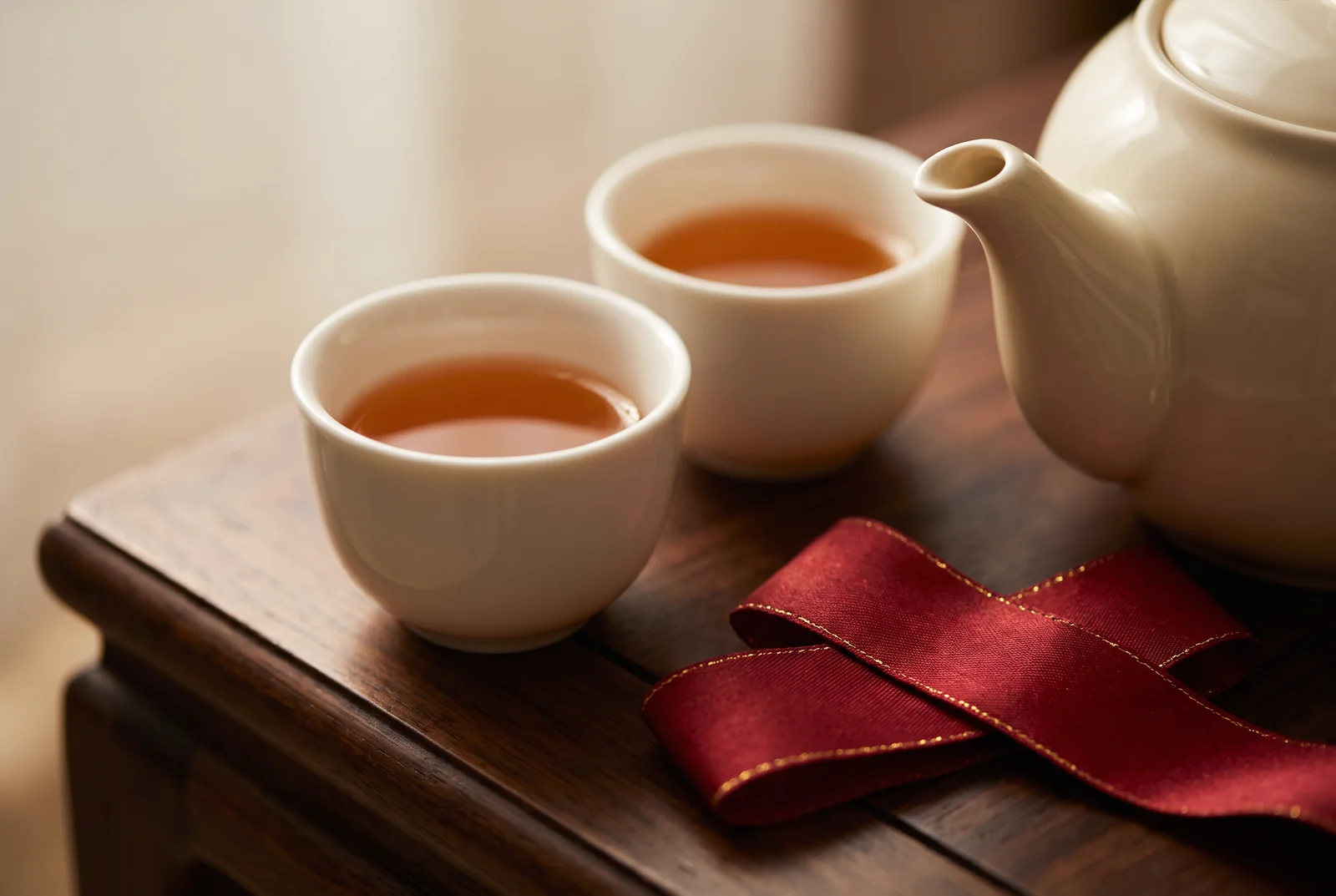
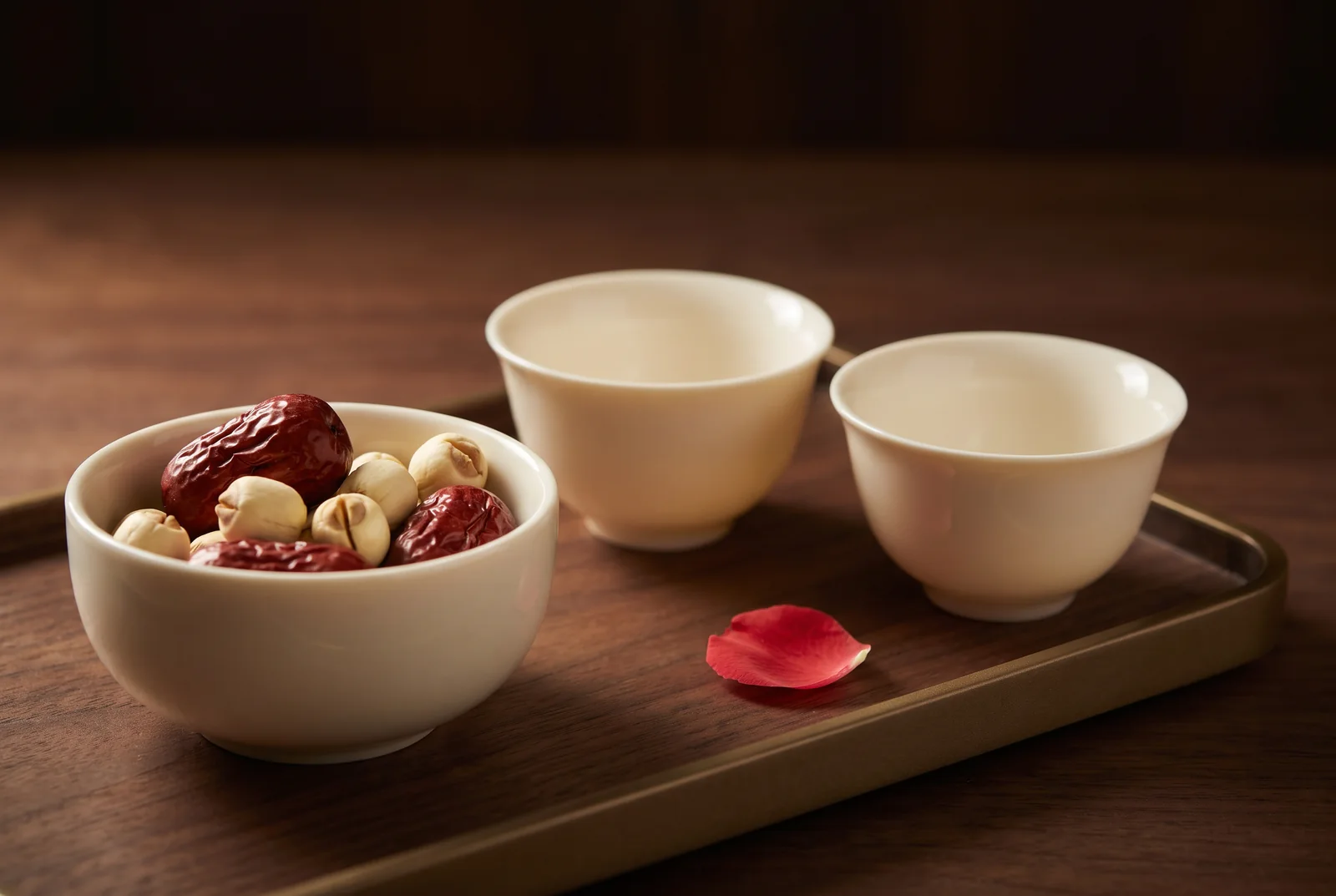
Ask what tea the family prefers and whether any customary ingredients are expected. Sweet additions such as red dates or lotus seeds are used in some traditions, but they should be a family choice rather than a requirement copied from an online guide.
Confirm who supplies the tea, water, cups, tray and any ingredients. Discuss allergies, sweetness preferences and the practical serving temperature with the team. The goal is a comfortable, respectful exchange; no guest should feel obliged to drink something unsuitable for them.
Check how used cups are handled and how fresh tea reaches the couple during the ceremony. These small service details are easy to overlook when attention is on the photographs. A short rehearsal of the sequence can reveal what needs to be within reach.
Plan the space around elders and movement
Choose seating that works for the relatives taking part and discuss any mobility needs in advance. Ask how guests reach the ceremony area, where they wait and whether anyone needs an easier position. Avoid making assumptions about kneeling, standing or moving between seats.
Allow space for the couple, the people serving tea, the host and the photographer. Decorations should frame the exchange without creating a barrier between the couple and their families. A beautiful backdrop is less useful if it makes reaching a cup awkward.
Think about the waiting guests as well. Will they watch the whole ceremony, sit nearby or join later for the meal? Tell them what to expect so the room does not become a stream of people moving in and out during quiet moments.
Give gifts and photographs a clear plan
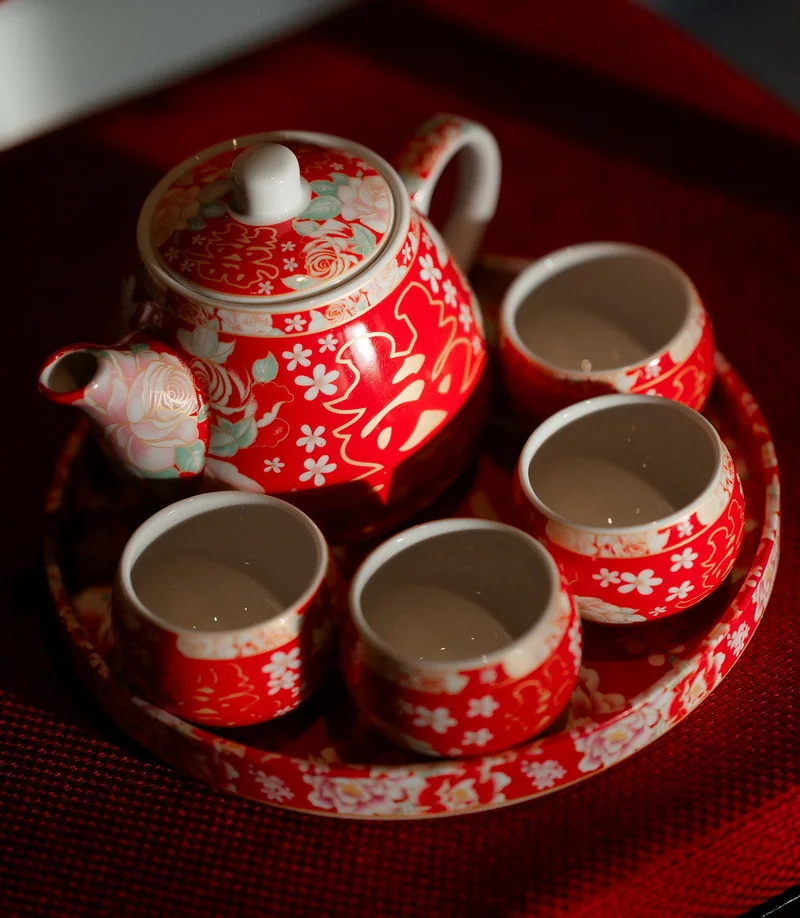
Some families exchange gifts or envelopes during the tea ceremony. Agree who will receive and safeguard them, and provide a discreet handover process. Keep valuables with a trusted person rather than leaving them on a display table while the programme moves on.
Tell the photographer which family groups are essential. A short list is more reliable than hoping every combination will happen naturally. Ask them to discuss the working space with the coordinator so photography does not interrupt the serving sequence.
Keep any private gift customs out of general guest communications. Not every attendee needs the same information, and no one should feel pressured by an assumed amount or expectation. Let the family guide those decisions directly.
Connect the ceremony to the rest of the wedding
The tea ceremony may sit alongside another cultural ceremony, a reception or a Chinese banquet. Work backwards from the meal and guest arrivals to allow time for preparation, changes of clothing and family photographs. Avoid compressing the meaningful part of the day to rescue an overfilled schedule.
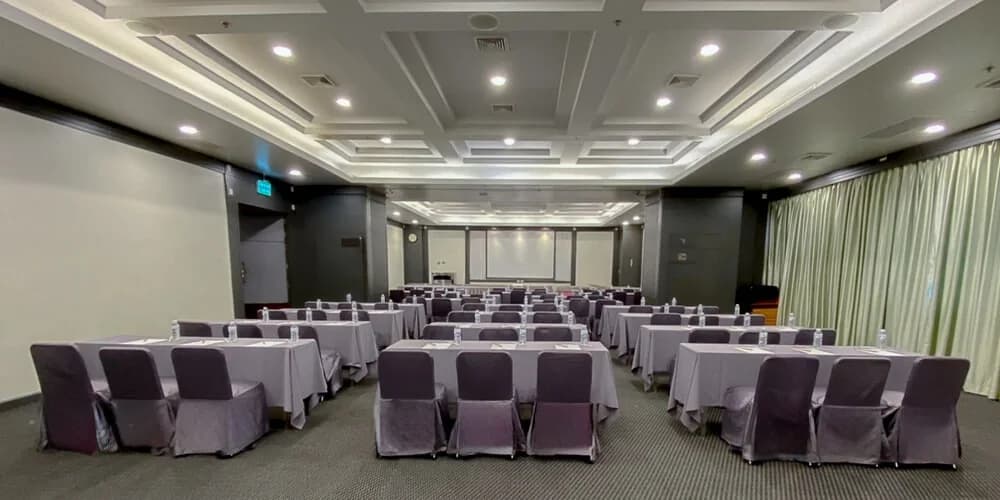
Ask the venue whether the ceremony and dining areas are separate and how a changeover works. If one space serves both purposes, confirm when tables, equipment and decorations are moved. The family should know where to go during that transition.
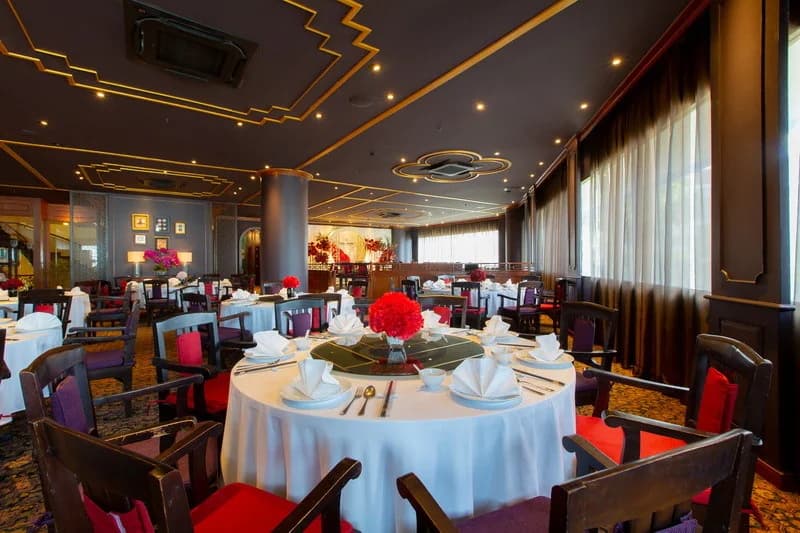
For a meal at Yan Long Authentic Chinese Restaurant or in a banquet space, confirm menu choices, guest numbers and dietary requests separately. Ceremony arrangements do not automatically confirm dining inclusions or private-room availability.
Bring these questions to the planning conversation
- Which customs have both families agreed to include?
- Who confirms the serving list and names?
- Who supplies the tea set and ingredients?
- How will guests with mobility needs participate comfortably?
- Who guides the ceremony and handles gifts?
- How does the room move from ceremony to photographs and dining?
Share one final version with the family contacts and wedding coordinator. Keep later changes in that same document, so an old message does not become the instruction used on the day.
Chinese tea ceremony questions
Does every Chinese wedding tea ceremony follow the same order?
No. Families may differ in serving order, ingredients and participation. Agree your version with the people involved and explain it to the coordinator.
Can we combine tea and Thai wedding ceremonies?
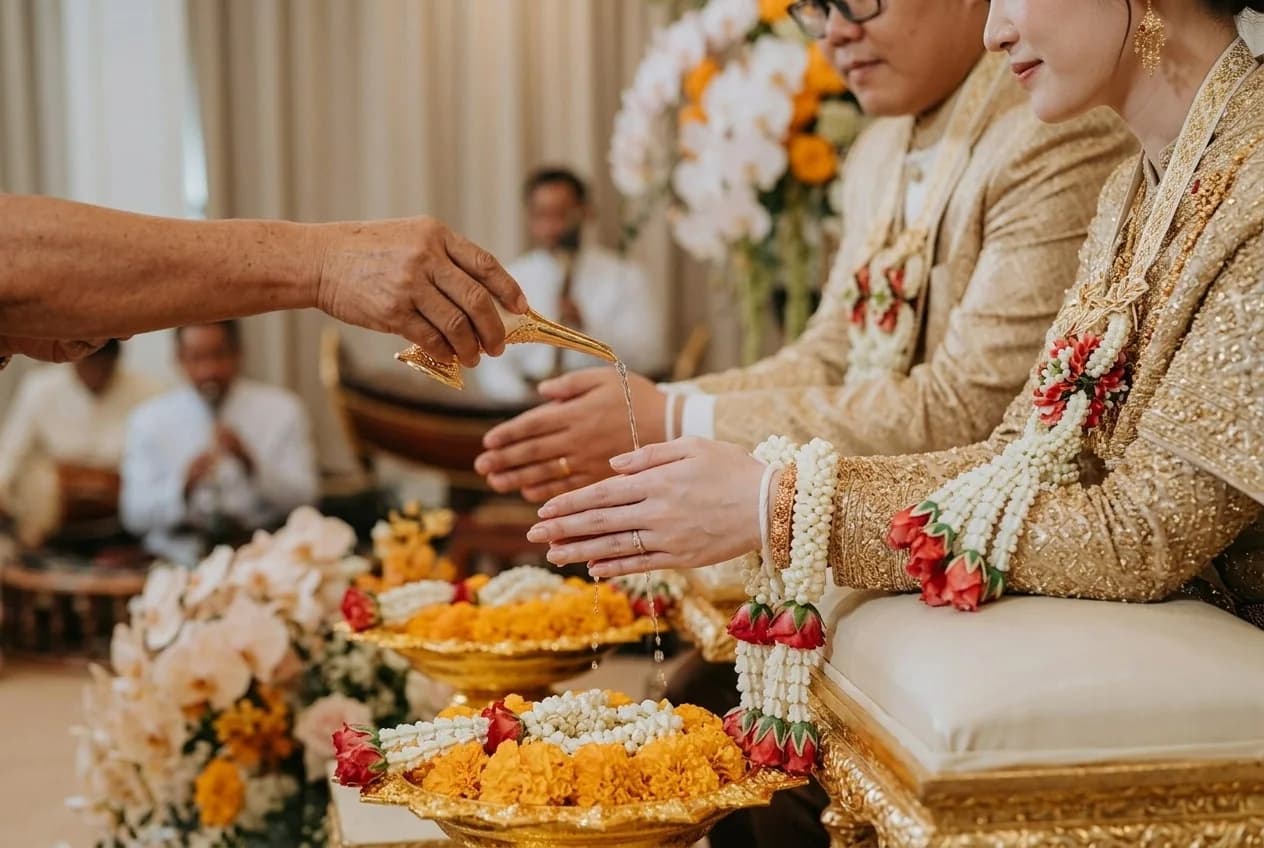
Discuss the sequence, spaces and family requirements with the wedding team. Each ceremony needs appropriate preparation and time; combining them is a planning choice to confirm.
Explore Chinese weddings at Royal Phuket City Hotel and contact the team with your guest numbers and family priorities. For another ceremony guide, read about the Thai water blessing.