Events
The Thai Wedding Water Blessing: A Practical Guide
Prepare a respectful, comfortable water blessing with clear arrangements for the couple and guests.
By Royal Phuket City Hotel Team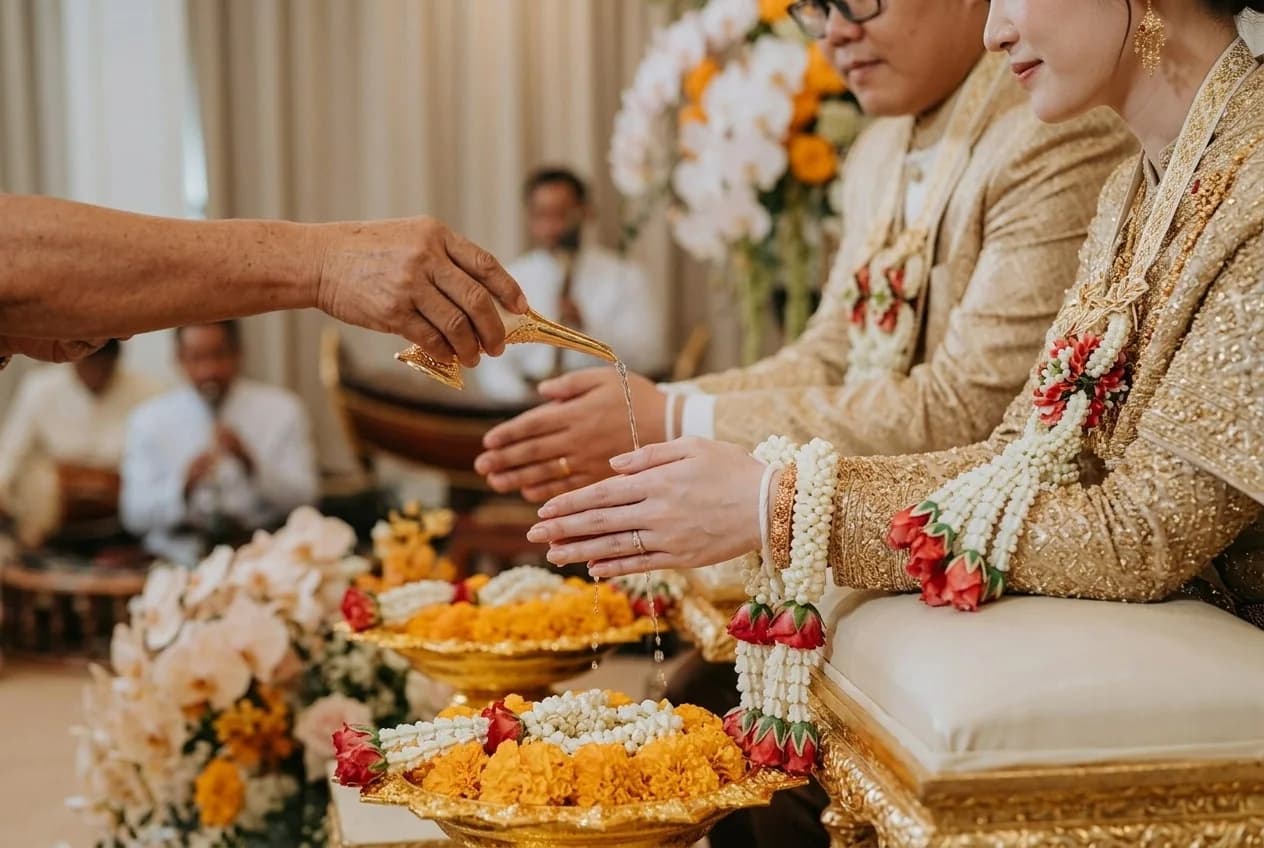
The Thai wedding water blessing, often called Rod Nam Sang, is a ceremony in which relatives and guests pour water over the couple's hands while offering good wishes. For couples planning it in Phuket, the most useful preparation is agreeing the family customs, participant order, seating and equipment with the wedding coordinator before the day.
Royal Phuket City Hotel includes the water-pouring ritual within its Thai wedding offering. This guide explains the practical choices to discuss. It should support your family's traditions, not prescribe a single version for every couple.
Understand the meaning before arranging the details
The ceremony gives guests a personal moment to offer the couple their blessings. Its pace and form can be shaped by family practice and the wider wedding programme. Some celebrations include other Thai traditions, such as a procession or monks' blessing, while others have a different sequence.
Ask both families which parts matter most and whether an elder or ceremony specialist should guide the arrangements. Clarify any differences early. The couple should be able to participate comfortably rather than trying to remember conflicting instructions from several people.
If some guests are unfamiliar with the ritual, prepare a brief explanation. A few clear sentences from the host can help them understand when to approach, what to do and where to go afterwards. Avoid turning the explanation into a lengthy speech that interrupts the family exchange.
Agree who takes part and how they approach
Make a participant list with the families and establish the order they prefer. Elders commonly have a significant role, but the precise arrangement should be agreed rather than assumed. Check names and the way guests wish to be addressed.
Assign someone to guide people forward. This is particularly helpful with a larger group, where guests may not know whether they should wait for an announcement or join a queue. Keep the route simple and allow space for people to return to their seats.
Discuss mobility needs privately and respectfully. Someone who finds standing or steps difficult may need a different position or assistance. Let the coordinator plan for that before the room is set, so support feels natural rather than improvised.
Confirm the ceremony set and its practical use
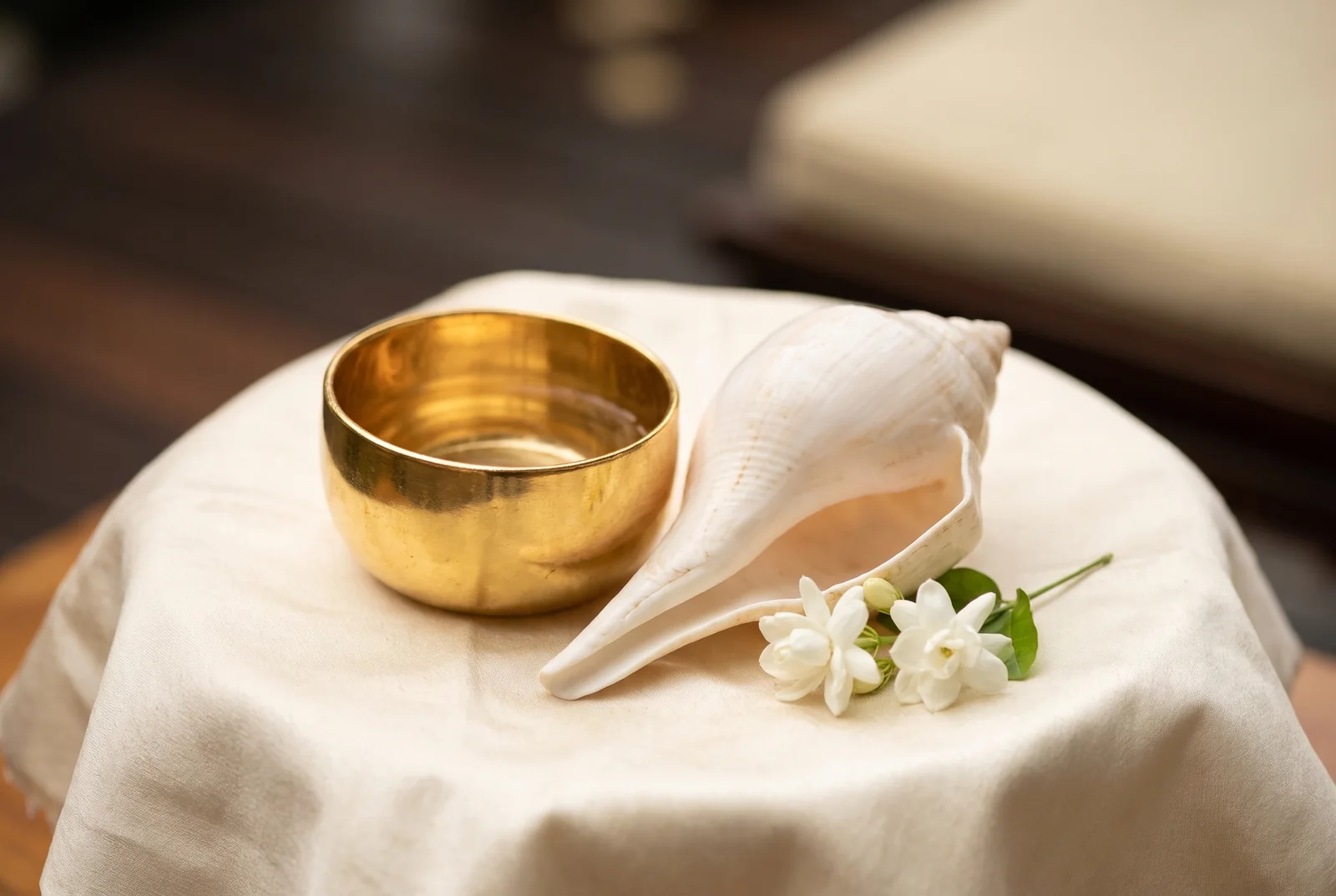
Ask the wedding team to explain the proposed arrangement: the couple's seating, hand supports, water vessels, conch shell if used, flowers and the means of collecting water. Confirm what the venue supplies and what the family or a specialist needs to bring.
Look at the setup from the couple's position. Can they sit comfortably and reach the supports without strain? Is the height suitable? A photograph of an attractive ceremony set cannot answer every question about how it will work for the people using it.
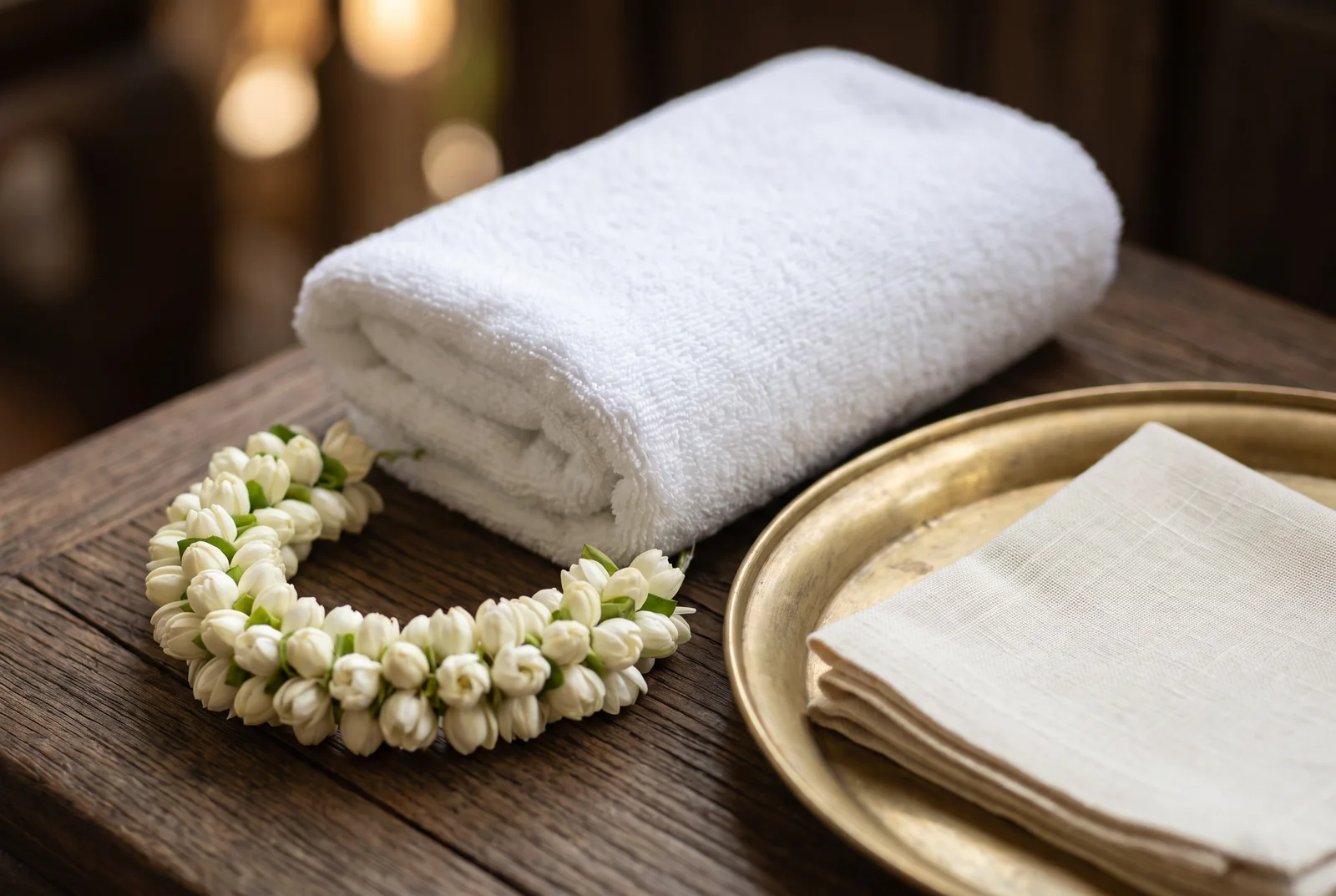
Ask who replenishes water, keeps the surrounding area tidy and helps guests handle the vessel. Discuss towels and a safe, dry route around the ceremony. The visible objects are part of a working arrangement, not just decoration.
Make the setting comfortable for the whole group
Choose the ceremony location with light, sound, guest seating and access in mind. Indoors, check that the host can be heard without overpowering a quiet exchange. For any outdoor element, discuss weather, shelter and the agreed alternative.
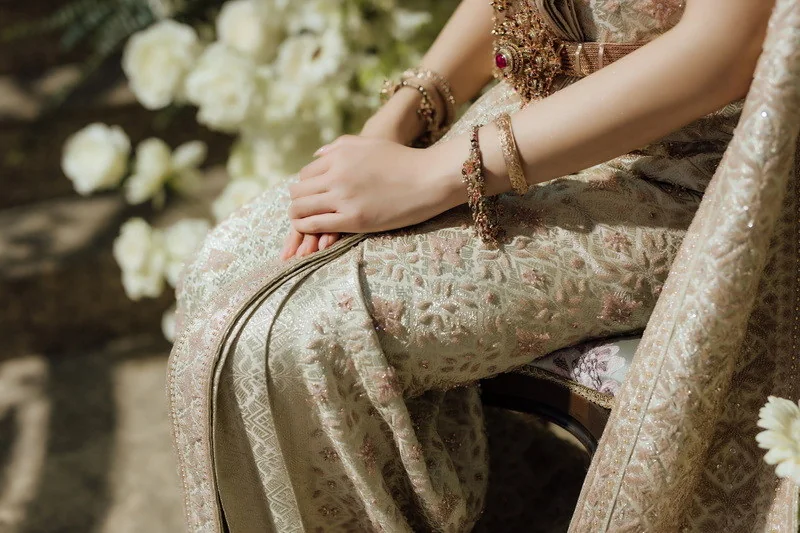
Position decorations so guests can approach easily. Flowers, lighting and fabric should support the ceremony without hiding the couple's hands or narrowing the route. Ask the photographer where they need to stand, then have the coordinator resolve any conflict with guest movement.
Keep waiting guests informed. If some relatives are taking part first, tell everyone else whether they should remain seated or prepare to approach. A calm host and a clear route do more for the atmosphere than repeated instructions across the room.
Allow enough time without making the ritual feel hurried
The ceremony's length depends on participation, movement and the family's wishes. Estimate it from the people involved, not from a standard duration copied from another wedding. Include time for greetings, assistance and a few natural pauses.
Fit preparation, photographs and any clothing change around the ceremony rather than assuming they happen instantly. If the same space is used for the next part of the programme, confirm the changeover and where guests wait while it happens.
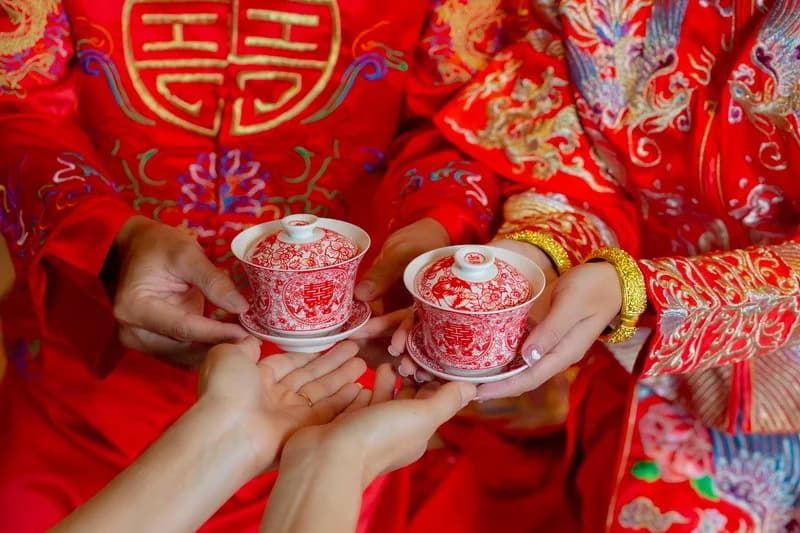
For a celebration that includes a Chinese tea ceremony, discuss the requirements of both traditions with the families. Share one combined running order with the coordinator, photographer and host so each person understands the sequence.
Help guests arrive prepared
Include the ceremony location and arrival instructions in the information sent to guests. Explain any dress expectations that your family has agreed, and provide a contact for questions. Avoid treating preferences from one family as a rule for every Thai wedding.
Guests who are uncertain about participation can ask the host or coordinator before approaching. They do not need to invent elaborate words: sincere wishes, offered respectfully, are more useful than a memorised script they do not understand.
If gifts or envelopes are part of the wider celebration, explain those arrangements separately and discreetly. Keep the blessing ceremony focused on the couple and family rather than creating confusion about where belongings should be left.
A short planning checklist
- Confirm the family's preferred ceremony format and guide.
- Check the participant list, names and approach order.
- Review the ceremony set for comfort and practical handling.
- Plan clear routes, seating and any assistance guests need.
- Agree photography positions and the host's explanation.
- Include preparation, transitions and a weather alternative where needed.
Record these decisions with the wedding team and nominate one contact for later changes. A coherent plan gives the ceremony room to feel personal on the day.
Water blessing questions
Does every Thai wedding include the same rituals?
No. Family traditions, beliefs and preferences differ. Ask the people involved which elements they want and confirm the arrangements with the coordinator.
Do guests need previous experience to participate?
No. A clear explanation and gentle guidance from the host can help unfamiliar guests take part respectfully. They can ask about the process before their turn.
Share your ceremony priorities with the Royal Phuket City Hotel wedding team. Explore our Thai wedding arrangements and indoor-versus-outdoor planning guide before choosing your setup.