Plan a shared Chinese meal around your group’s preferences, portions, table arrangement and pace, with useful questions for Yan Long.
A shared Chinese meal can suit a family catch-up, a table of friends or a relaxed lunch with colleagues in Phuket Town. The useful planning question is how to make one order work for several people with different appetites and preferences. Start with the group, choose a manageable first round, and leave room to adjust.
Royal Phuket City Hotel's Yan Long Chinese Restaurant offers Cantonese dining, dim sum and private dining enquiries. Its venue page is the place to explore the restaurant. This guide focuses on organising the meal itself; confirm the current menu, arrangements and availability directly before making plans.
Agree what kind of meal you want
A quick lunch between activities calls for a different order from a long reunion. Decide whether the meal is the main event or one part of a busy day. If someone needs to leave early, say so when you enquire rather than discovering the timing problem after everyone sits down.
Ask the group what matters most: trying several dishes, enjoying a familiar favourite, keeping the meal short, or having space to talk. Two clear priorities help more than a long wish list. You can then discuss a sensible service pace with the restaurant, without assuming every dish can arrive together.
Collect preferences before collecting dish names
One person can gather a short set of answers before booking. Include the number of adults and children, foods people avoid, and any specific seating or access request. Separate a preference from a dietary requirement so the restaurant receives a clear message.
- Which ingredients does each person want to avoid?
- Would people prefer a mix of small dishes and larger shared plates?
- Does anyone need an individual meal rather than food from the centre?
- Is there a time limit or another appointment afterwards?
If allergies or other dietary requirements matter, speak directly with the restaurant about ingredients and preparation. A dish name or photograph cannot answer those questions. Do not assume a vegetarian menu means that every sauce, cooking method or shared dish meets a particular person's needs.
Build variety without ordering everything at once
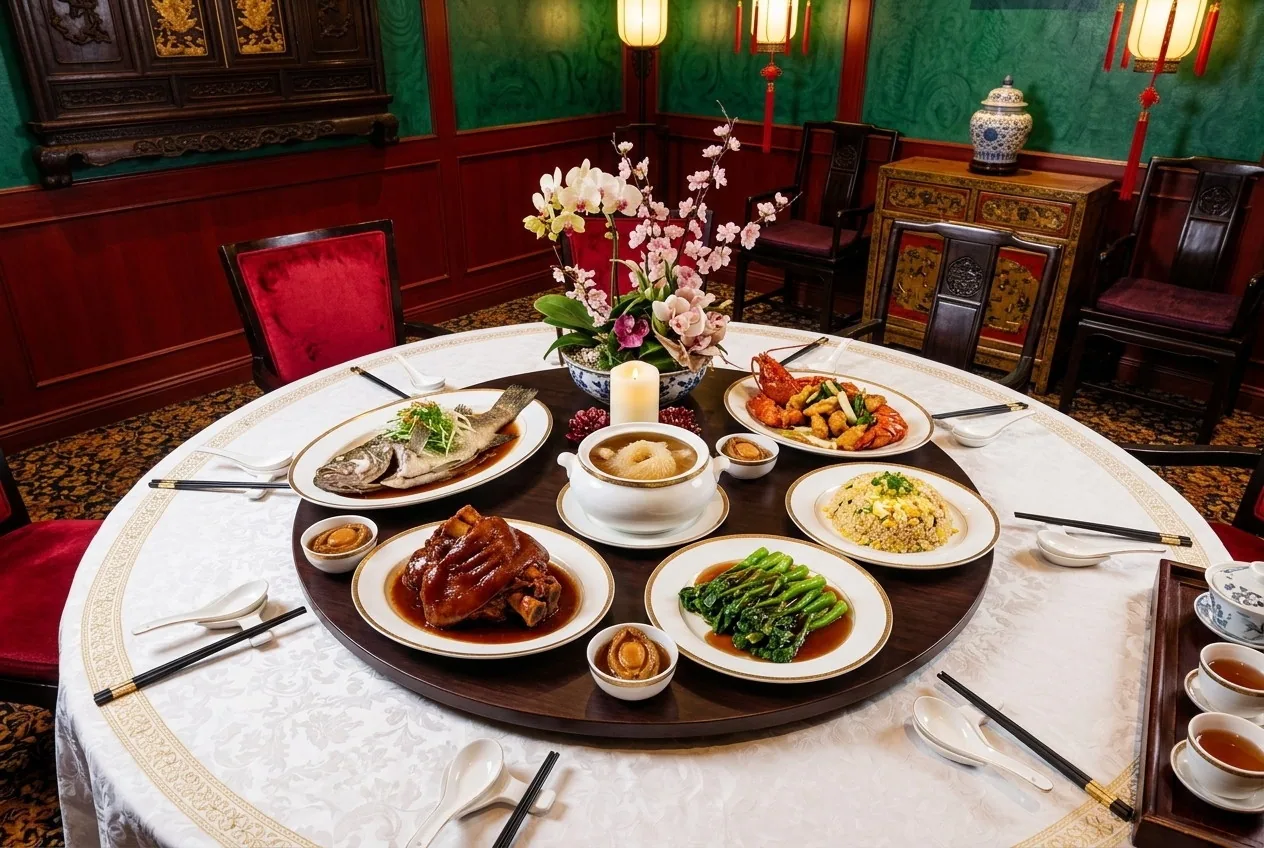
Use the menu to look for a balance of choices rather than a fixed number of plates per person. Your group might want a few smaller dishes, a larger dish to share, something vegetable-led and a rice or noodle option. That is a planning approach, not a set menu or a promise that every item will be available.
Ask how large the portions are and which dishes suit your group size. Photographs can make a plate look generous or small depending on the angle. Staff advice about the current menu is more useful than guessing from a picture.
Choose the group's most wanted items first. If two people have completely different preferences, consider whether one additional individual order would work better than making every shared plate a compromise. The aim is a meal people enjoy, not the largest possible selection.
Use a first round and a second decision
For a flexible meal, ask whether it is practical to order an initial selection and revisit the menu after it arrives. This gives you a chance to judge portions and appetite. Some dishes may need advance preparation or ordering, so confirm which decisions must be made earlier.
At the table, have one person keep track of what has already been ordered. That avoids duplicate requests when several guests speak to staff separately. Recheck with the group before adding another substantial dish, especially if dessert or another meal is already part of the day's plan.
Match the table arrangement to the occasion
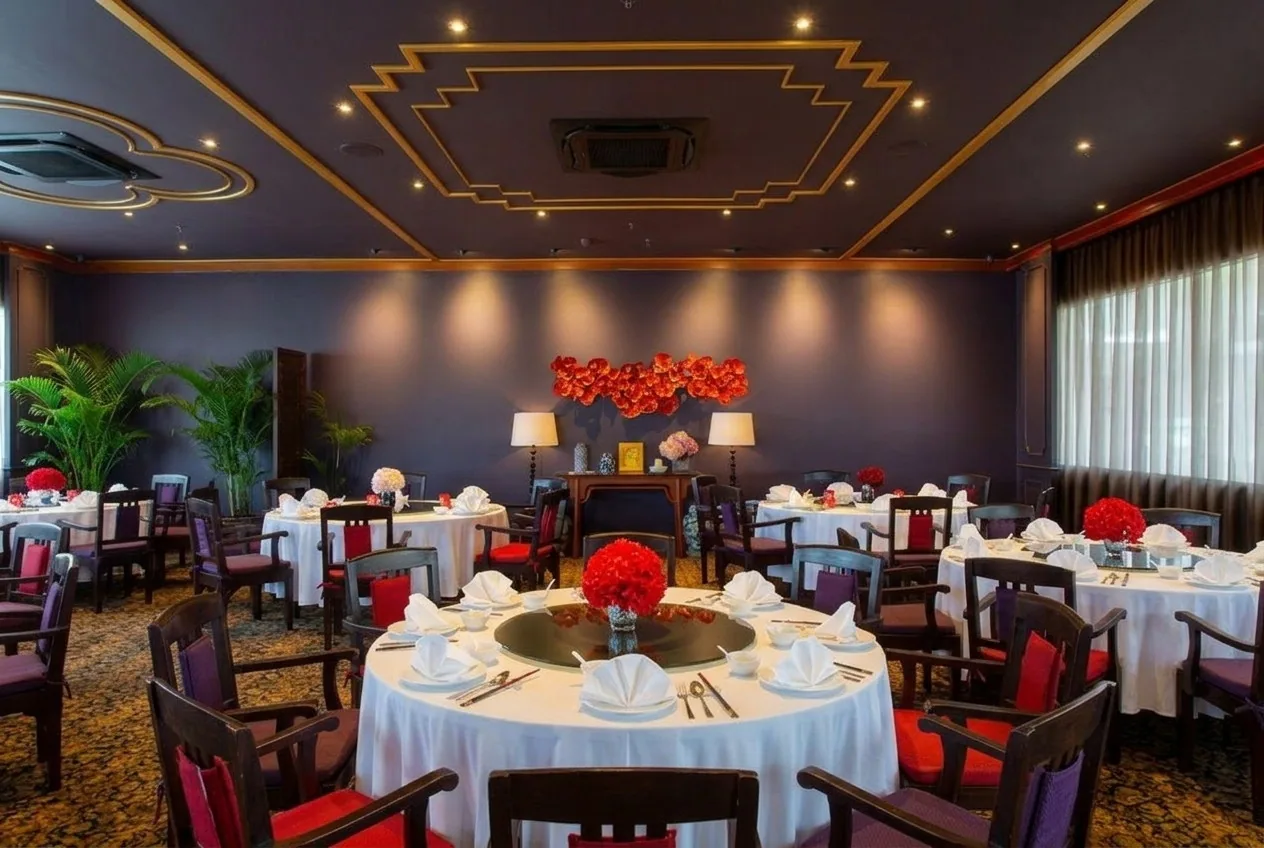
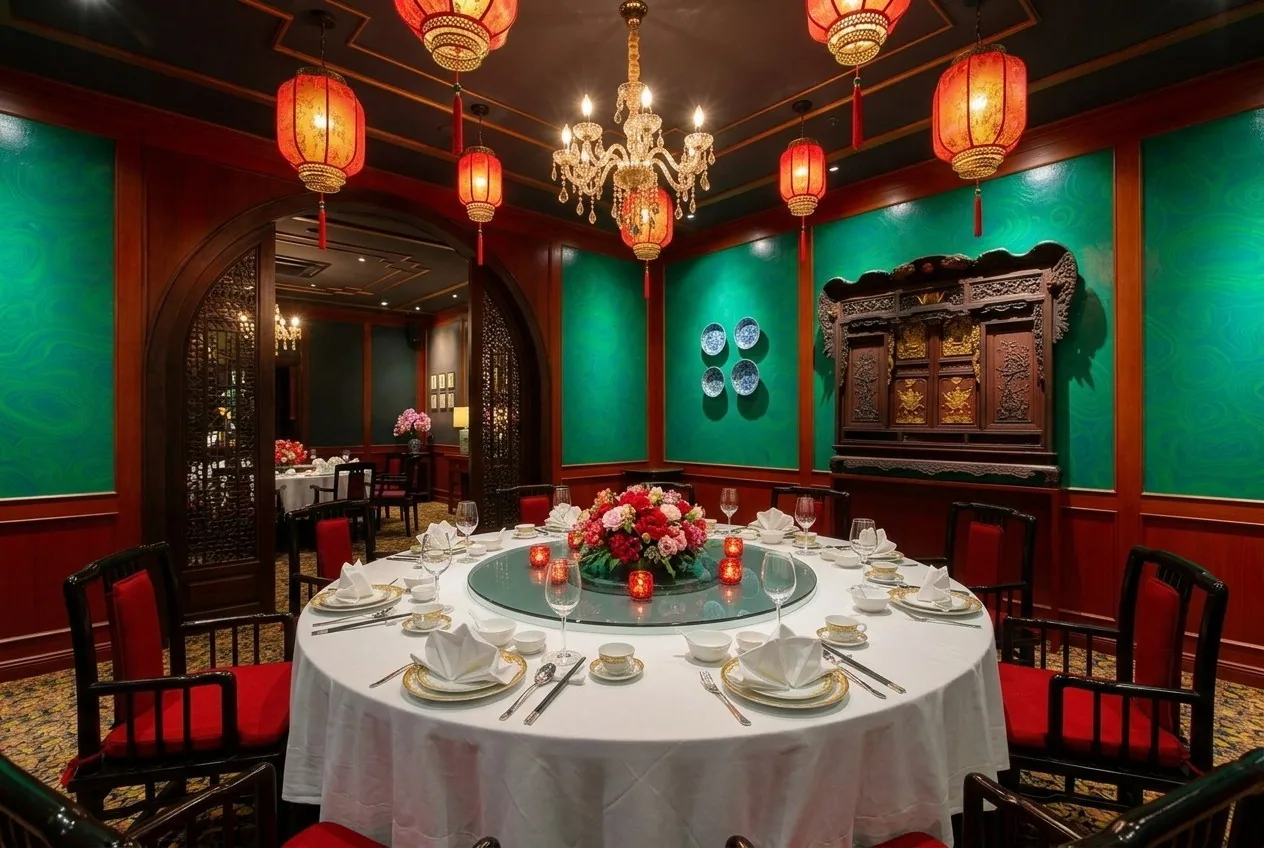
A restaurant's main dining area may suit an everyday get-together. A private-room enquiry may make sense when conversation or a small celebration is central to the meal. Yan Long's hotel page lists private dining rooms; ask about the available arrangement for your actual date and party.
Explain what you need rather than requesting an unspecified “large room”. Include the guest count, whether anyone needs easier access, and whether children will sit with adults throughout. If you are considering decorations, a cake or any equipment, ask about the venue's current conditions before bringing them.
Make the host's decisions early
Agree who will confirm the reservation, communicate changes and settle the bill. For a group splitting costs, decide how that will work before the meal, and ask the restaurant which payment arrangements it can support. Avoid leaving one guest to resolve an unexpected arrangement at the end.
Send everyone the confirmed venue and arrival information. If people are travelling separately, choose a contact person for late arrivals. When the headcount changes, update the restaurant promptly rather than assuming the same table and order will still suit.
A useful enquiry to send
For example: “We are planning a meal for six adults and two children on our preferred date. We would like to share several dishes and have time to talk. One guest has a dietary requirement that we need to discuss. Could you advise on suitable portions, table options and any dishes that need advance ordering?” This is a fictional enquiry example, not a hotel package.
Explore the hotel's dining venues, then use Royal Phuket City's contact details or the Yan Long page to discuss your plans. If your group is choosing between a shared Chinese meal and an evening with rooftop views, the rooftop dinner planning guide covers the latter format.
Questions about a shared meal
How many dishes should we order?
There is no reliable universal count. Ask about current portions, the group's appetites and whether you can add dishes after the first round.
Should we book a private room?
Consider the occasion and conversation needs, then enquire about the available arrangement and its conditions. A private room is a separate request, not an automatic part of a meal booking.